Trusted Commercial Cleaning Team
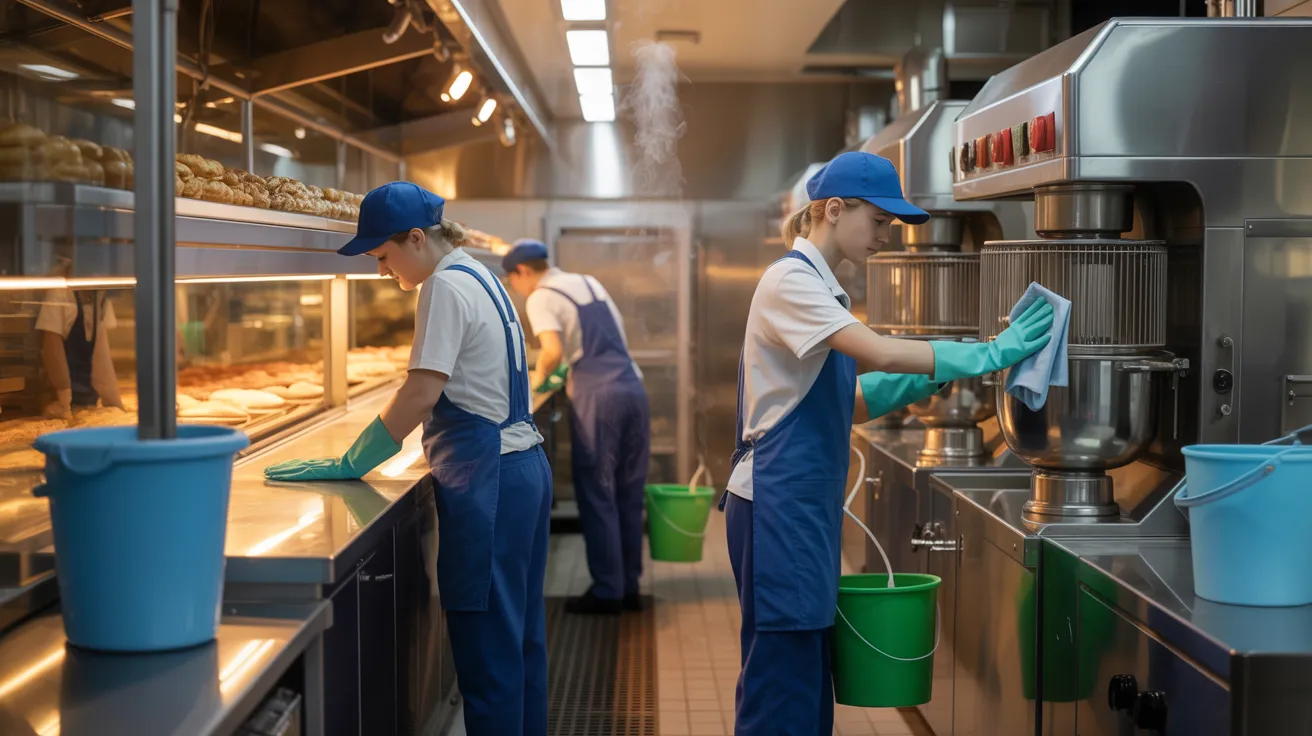
Professional food safety experts located in Brampton help maintain restaurants, food distribution facilities, baking enterprises, warehouses, and food service vehicles to sanitation standards. They disinfect high-touch surfaces, food prep surfaces, equipment, floors, drains, restrooms, and preparation zones with certified chemicals, in correct dilution, and using documented contact periods.
Key Takeaways
- Brampton's sanitation specialists clean for restaurants, grocery departments, commissaries, warehouses, bakeries, schools, mobile vendors, and allergen-sensitive operations.
- Cross-contamination prevention is achieved by disinfecting high-touch surfaces, food-contact equipment, kitchens, floors, drains, restrooms, and storage areas with area-specific procedures.
- Verification of approved sanitizer dilution, appropriateness, and exposure duration is conducted by qualified providers, with finalization recorded using samples, audits, and action records.
- Threat, production rate, transitions, incidents, and regulations should shape hygiene plans, with daily, weekly, and seasonal duties distributed by zone.
- Opt for providers with hazard analysis knowledge, health regulatory, understanding, WHMIS, instruction, coverage, testimonials, color-categorized implements, and assessment-ready cleaning files.
Food Safety Cleaning Requirements for Brampton Establishments
You must comply with food safety cleaning if your facility is falls under public health review, food regulations, or HACCP systems. This covers eateries, dining areas, supply warehouses, retail departments, meat counters, fish departments, general stores, and facility-based kitchens.
You'll equally need adherent sanitation standards in distribution warehouses, production plants, frozen storage areas, commercial bakeries, educational meal programs, banquet venues, and food delivery services. Mobile and temporary businesses matter as well, examples being food trucks, event sellers, and temporary stalls. Should your employees handle raw materials, divide prepared dishes, warm finished meals, or maintain allergen storage, your venue requires written cleaning standards. In Brampton, cleanliness is compulsory; it represents lawful, operational, and customer protection standards.
What Services Do Brampton Cleaning Experts Provide?
Your operation needs cleaning professionals who disinfect frequently contacted surfaces, cooking and food prep areas, all floor types, and toilet facilities to maintain food safety compliance and public health standards. These specific areas are emphasized due to their elevated cross-contamination potential, trip and slip dangers, and breaches of sanitation codes.
When you understand what they clean, you can verify that your facility's cleaning scope meets compliance and operational standards.
High-Touch Surface Cleaning
establish how often each point is sterilized
verify that disinfection is adequate and facilitate follow-up measures if results fall outside target ranges
Cooking Zones, Walking Surfaces, and Restroom Environments
Expect Brampton cleaning experts to target kitchens, floors, and restrooms because each area carries unique foodborne illness prevention, accident prevention, and sanitation risks. In industrial kitchens, you need degreasing on cook lines, equipment exteriors, drains, prep assessment surfaces, and splash zones to reduce bacterial growth and pest activity.
Floor care that is documented should also be anticipated. Technicians clean and remove buildup from grout, tile, and vinyl flooring, then apply correct drying techniques so you can limit falls and meet regulatory standards. They also address entryways where moisture and debris migrate indoors.
Restroom cleaning involves sanitizing surfaces, fittings, separators, dispensers, and containers, replenishing amenities and managing odor. They also maintain restaurant cleaning supply rooms where product storage, sink cleanliness, and drain systems impact daily sanitation standards and worker protection.
The Importance of Food Safety Cleaning in Brampton
To adhere to health code requirements and pass inspections, Brampton facilities must maintain appropriate cleaning protocols. You also reduce cross-contamination by cleaning and sanitizing food-contact surfaces, equipment, and high-touch areas correctly. Most importantly, you help protect public health by lowering the risk of foodborne illness in your facility.
Sanitary Standards Adherence
Since Brampton food operations must follow rigorous sanitary regulations, your cleaning procedures directly determines your capacity to satisfy health codes, ensure the safety of diners, and sidestep regulatory penalties. You must maintain clean food preparation areas, verifiable cleaning logs, appropriate product handling, and documented employee protocols that meet municipal and provincial inspection expectations.
Excellent cleaning standards facilitates allergen reduction by minimizing contaminants on common tools plus frequently touched surfaces. If your cleaning standards weaken, you face citations, corrective orders, brand harm, and operational interruptions during further inspections or compliance reviews.
Cross-Contamination Avoidance
Maintaining regulatory compliance copyrights on your capacity to prevent cross-contamination during daily food handling and cleaning. You need to partition uncooked items from finished dishes, sanitize prep surfaces between tasks, and position cleaning agents away from food surfaces. Clear procedures reduce transfer risks and reinforce steady regulatory adherence.
You could implement allergen segregation to stop main allergens from reaching shared surfaces, containers, or equipment. Apply separate boards, color-marked equipment, and strict utensil labeling so team members avoid blending products throughout cooking or delivery. Mandate handwashing after handling raw meat, seafood, eggs, or allergen-containing products. Change wiping cloths regularly, and check sanitizer strength with test strips. When employees learn these procedures every shift, you create a cleaner, safer operation that matches Brampton's safety requirements daily.
Community Health Assurance
When sanitation efforts weaken, you don't only face inspection setbacks—you expand the chance of foodborne illness striking customers, staff, and the larger Brampton community. You also weaken your role in safeguarding community wellness, especially in high-traffic food premises where contamination can spread quickly through surfaces, equipment, and touchpoints.
You depend on cleaning procedures that remove soils, effectively sanitize, and verify results. This involves maintaining contact periods, deploying approved disinfectants, recording schedules, and coaching staff to meet compliance standards. These initiatives promote disease prevention by reducing microbes before contaminating food or hands. In Brampton, effective cleaning shields vulnerable populations, minimizes disease spread, and demonstrates accountability. When you adhere to proper protocols, you exceed requirements—you substantially reduce risk and promote secure food service across the region.
How Can Cleaning Practices Ensure Food Safety Compliance?
Following comprehensive cleaning schedules bolsters food safety compliance by minimizing contamination hazards, limiting pathogen development, and keeping your facility aligned with sanitation requirements under HACCP-based programs and public health regulations. You ensure that contact surfaces stay visibly clean and microbiologically controlled, backing documented preventive controls and inspection readiness.
Effective cleaning also strengthens allergen mitigation by eliminating residues that can lead to undeclared allergen exposure. by removing residues that can cause undeclared allergen exposure.
Finding When to Schedule Commercial Cleaning
accumulate harmful substances. Increase frequency
You should also arrange periodic tasks separately
Finding Quality Brampton Cleaning Experts: A Guide
Start by screening providers against food-safe sanitation requirements, not price alone. You should verify that each company understands CFIA, public health, and HACCP-aligned expectations relevant to your facility. Ask for insurance documentation, WHMIS compliance, documented staff training, and supervision practices. Review whether technicians understand contamination prevention, chemical handling, and traceable sanitation records.
You should further examine service consistency and answerability. Request references from food facilities in Brampton, then review response times, corrective action plans, and communication standards. Validate the company facilitates supplier audits and can supply compliance documentation to regulators or external parties. Confirm equipment is maintained, color-coded implements are applied correctly, and facility-specific risks are recognized. A experienced service protects compliance, product integrity, and your brand reputation.
What's included in a Food Safety Cleaning Plan?
Create a documented plan that makes clear every sanitation task, standard, and responsibility prior to production start. You should detail cleaning schedules, authorized chemicals, concentration levels, contact duration, implements, and validation techniques for each location, surface, and apparatus. Include pre-operational inspections, corrective actions, and employee training requirements.
Your strategy should also address cross-contamination controls, waste handling, pest-prevention measures, and documented schedules for rest areas, drains, flooring, and food-contact surfaces. Detail how you'll keep raw and ready-to-eat processes separate, support ingredient tracking, and ensure accurate allergen labeling through validated cleaning between product changes. You should assign accountability, keep signed records, and review results against regulatory standards, HACCP controls, and customer requirements. When gaps appear, modify procedures immediately and instruct staff.
Frequently Posed Questions
Are sanitation providers available for nighttime operations in Brampton properties?
Yes, you can arrange sanitation coverage to support nighttime operations in Brampton facilities. You'll coordinate overnight sanitation around operational schedules, access controls, and personnel needs. Providers typically map overnight procedures to minimize interruption, maintain compliance, and document completed tasks. You should verify arrival timeframes, oversight, access protocols, and waste handling before service begins.
Do sanitation professionals provide hazard containment solutions?
Yes, you can find Brampton cleaning experts to offer hazard containment solutions. They manage hazardous materials, evaluate dangers, isolate affected areas, and start rapid decontamination to reduce exposure and operational disruption. You should confirm their response times, professional credentials, safety procedures, and waste management. If your facility must meet health or food safety regulations, select a service that records events, maintains regulatory procedures, and enables compliance verification.
Do eco-friendly disinfectants operate safely on surfaces contacting food?
In essence, plant-based sanitizers remain safe for food-contact surfaces provided you buy disinfectants approved for food contact that satisfy regulatory standards. Verify contact duration, dilution ratios, and rinse protocols prior to application. Plant based formulas lower chemical hazards, although you require demonstration of efficacy against target microorganisms. For maintaining surfaces without residue, implement manufacturer instructions exactly and confirm the sanitizer adheres to food industry regulations.
Can cleaning plans adjust with seasonal production changes?
Certainly, sanitation programs respond to seasonal production changes successfully. Modify timing, personnel, sanitizers, and verification steps to align with seasonal patterns while preserving regulatory compliance. Lower production downtime by timing disinfection around line changes, maximum output, and equipment use patterns. Also revise written procedures, employee training, and environmental testing to reflect periodic risks, emerging allergens, or increased soil loads. Ongoing evaluations maintain the plan functional.
Are commercial cleaners providing employee instruction on hygiene protocols?
Indeed, professional cleaners often offer employee coaching on sanitation best practices. Your team obtains instruction on safe chemical application, exposure durations, preventing cross-contamination, equipment disassembly, and record-keeping. They typically follow instruction with HACCP, GMP, and CFIA or regional health standards criteria. Many also execute compliance inspections to verify compliance, reveal issues, and strengthen improvement measures. This assists you to maintain consistent procedures, achieve compliance, and decrease foodborne illness risks on a daily basis.
Closing Remarks
Partnering with Brampton commercial cleaning and food safety experts means more than cleaning—it guarantees your operation stays inspection-compliant and your protocols remain compliant. From kitchen areas to production zones, each cleaned area and maintained corner reduces health hazards and avoids costly disruptions. By scheduling maintenance on appropriate schedules and executing a comprehensive cleaning strategy, you shield your workforce, clients, and your image. In a heavily regulated sector, sanitary conditions can't be overlooked—they're vital to proper management.